As an endodontist, I treat root canals every day — and every day I hear the same fears. Many come from experiences 20–30 years ago, when anesthesia, instruments and technique were completely different. Because of them, people wait until there is nothing left to save. Let us take them one by one.
What a root canal actually is
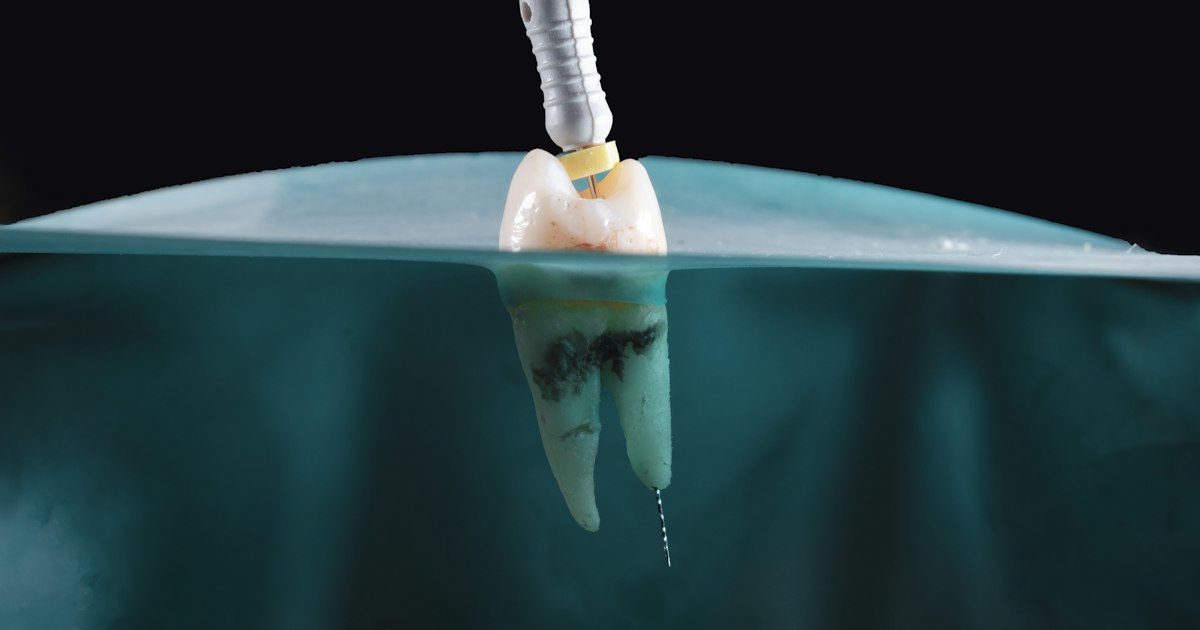
Inside every tooth there is a space with nerves and blood vessels — the pulp. When a deep cavity, a crack or a knock reaches it, the pulp becomes inflamed or infected. Root canal treatment means cleaning that space, disinfecting it and sealing it, so the tooth stays in your mouth and keeps working for many years.
Myth 1: "A root canal hurts terribly"
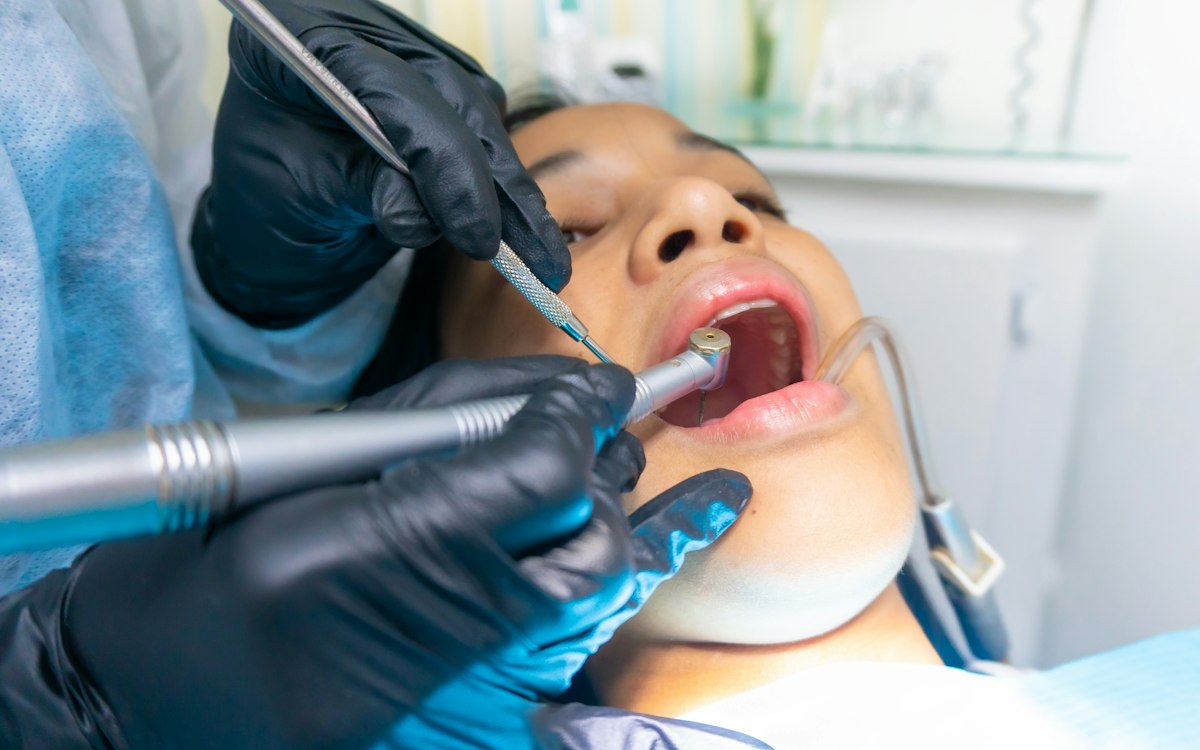
The severe pain comes from the inflammation, not the treatment. The treatment is what stops it. We work under local anesthesia, and for very inflamed teeth we top it up until the area is completely numb. Most patients tell me afterwards it felt like a longer filling. Mild tenderness when biting for a few days afterwards is normal and settles with an ordinary painkiller.
Myth 2: "Better to pull the tooth and be done"
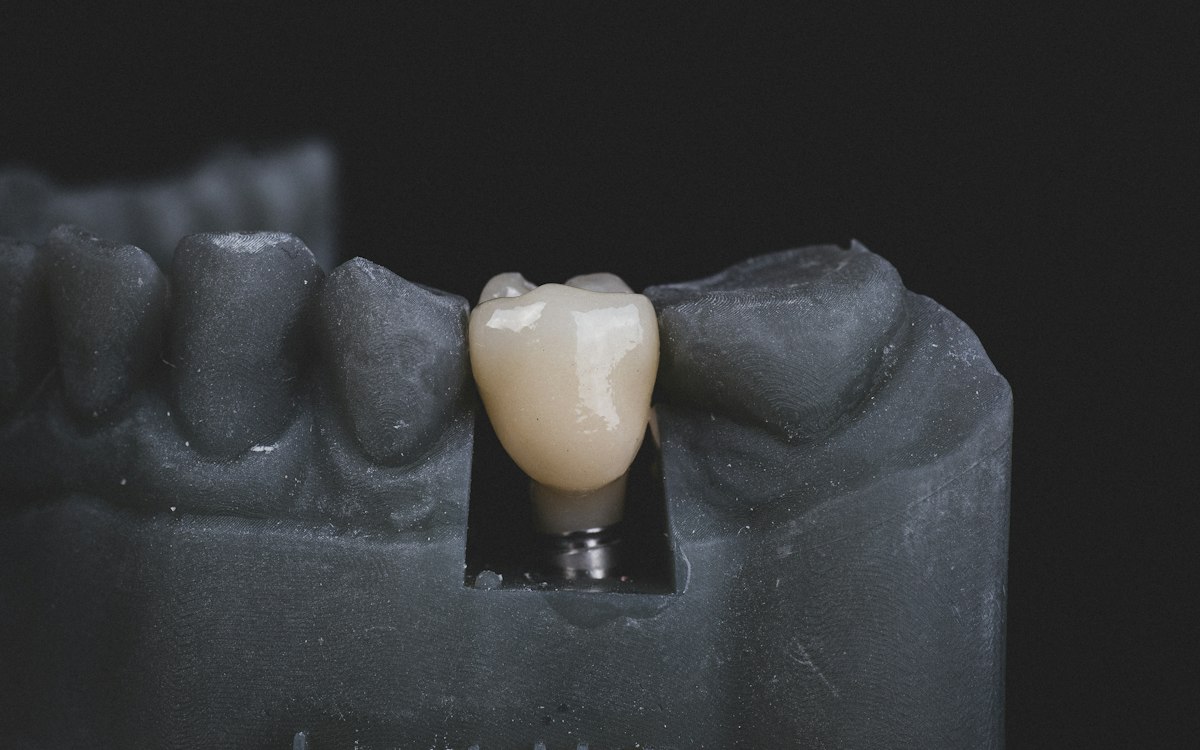
Extraction seems simpler, but you are not "done". The gap then needs an implant or a bridge, otherwise the neighbouring teeth tilt and your bite changes. An implant with a crown costs several times more than a root canal and takes months. No implant is better than your own tooth, properly saved.
Myth 3: "If it stopped hurting, it does not need treatment"
When strong pain suddenly disappears, the nerve has usually died. The infection stays, though, and moves into the bone at the root tip, where it can develop for months without symptoms — until an abscess with swelling. On X-rays we often see such lesions on teeth that "have not hurt for ages".
Myth 4: "Antibiotics will fix it"
Antibiotics can temporarily hold back a spreading infection, but they do not reach inside a tooth whose pulp has died. The source of infection stays there, and once you finish the tablets the problem returns. The only real fix is cleaning the canals or, if the tooth cannot be saved, extraction.
Myth 5: "It takes months"
Most root canals are done in one or two visits. Only large infections or retreatments may need more, to let the medication inside the canal work. After treatment the tooth must be restored properly — with a filling or, if little of it remains, a crown.
Myth 6: "A root-canal tooth is dead and will break anyway"
A properly treated tooth stays anchored in the bone and works normally, often for decades. It does become more brittle, especially if decay destroyed a lot of tissue — which is why what we do after the root canal matters: a solid restoration or crown protects it from cracking. The problem is not the root canal, it is a tooth left unrestored.
What it costs
- Root canal treatment: 800 MDL (1 canal), 900 MDL (2 canals), 1,000 MDL (3 canals), 1,200 MDL (4 canals).
- Restoring the tooth after the root canal: 800–1,000 MDL.
- Fiberglass post, when needed: 300 MDL.
- Consultation and treatment plan: free.
Conclusion
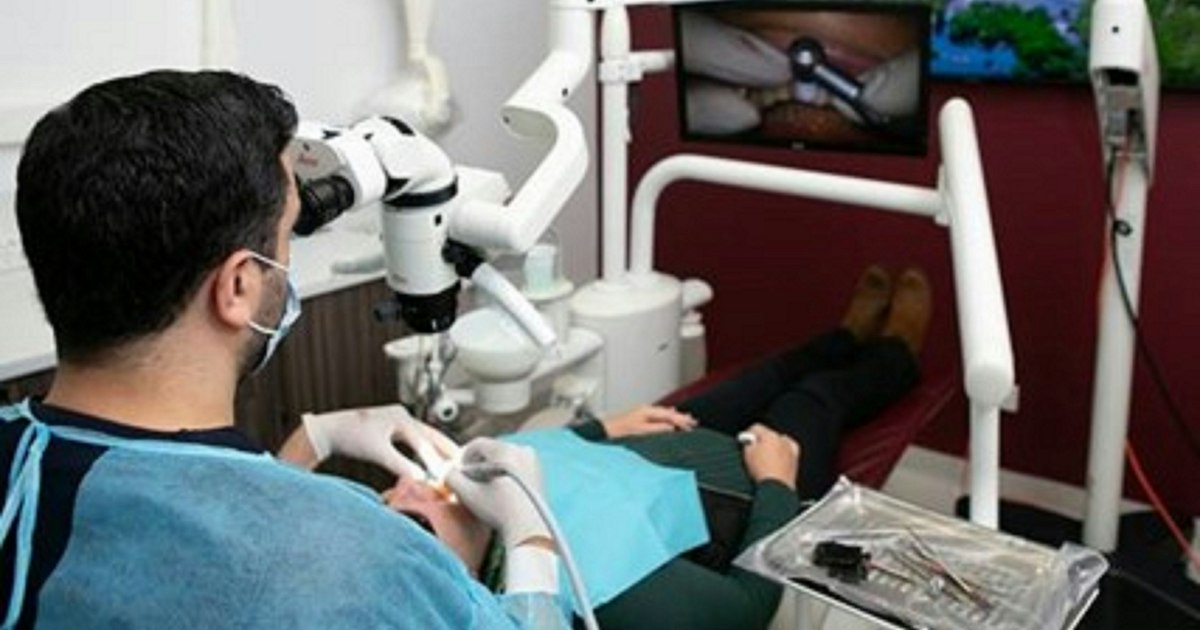
A root canal is not a punishment — it is the chance to keep your tooth. With modern anesthesia and a microscope it is a predictable, comfortable procedure. If you have a tooth that hurts, has darkened, or "has not hurt for a while", book a free consultation: we take an X-ray and tell you honestly whether and how we can save it.
Author