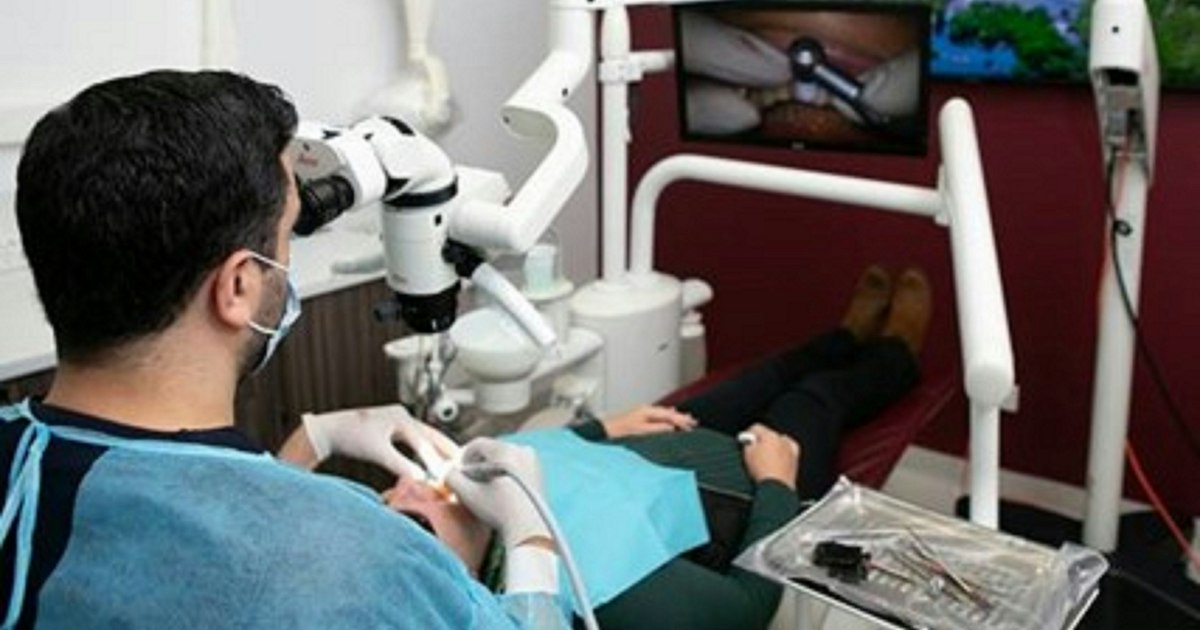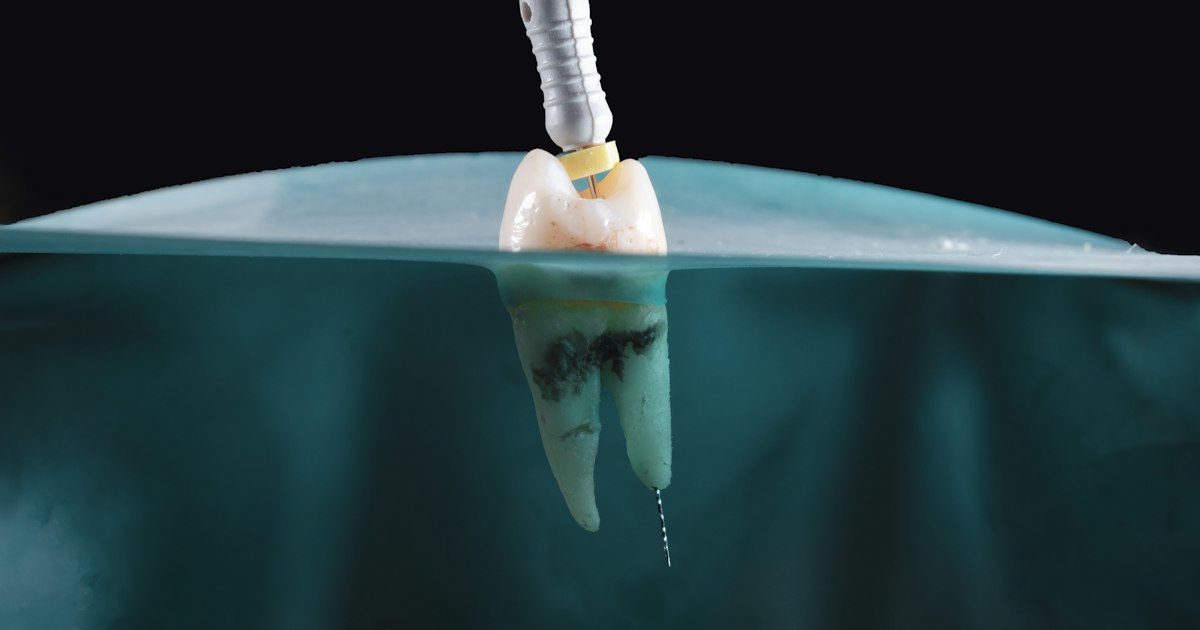
Almost every patient with acute pain tells me the same thing: "During the day it was bearable, but at night I did not sleep at all." That is no coincidence. Below is what you can safely do at home, and the signs that mean you should not wait until morning.
Why it hurts more at night
When you lie down, blood flows more easily to your head and the pressure inside an inflamed tooth rises. The nerve sits in a closed space with no room to swell, so every rise in pressure is felt as throbbing. And at night there is nothing to distract you. That is why a throbbing pain that wakes you up is almost always a sign of a seriously inflamed nerve.
The most common causes
- A deep cavity that has reached the nerve (pulpitis) — throbbing, spontaneous pain that radiates to the ear or temple.
- Infection at the root tip (abscess) — the tooth hurts to touch and bite, feels "taller", sometimes with swelling.
- An erupting wisdom tooth — the gum at the back gets inflamed, it hurts to swallow and open your mouth.
- A cracked tooth — short, sharp pain when you bite or release.
- Sinusitis — can feel like several upper teeth hurt at once, especially when you bend over.

What helps until morning
- A common painkiller (ibuprofen or paracetamol), strictly at the dose on the leaflet. If you take other medication, are pregnant or have a chronic condition, ask a pharmacist.
- Sleep with your head raised on two pillows — it lowers the pressure in the tooth.
- A cold compress on the outside of the cheek, 15 minutes at a time with breaks. Never put ice directly on the skin.
- Gentle rinses with lukewarm salt water.
- If food is stuck between your teeth, remove it gently with floss.
- Chew on the other side and avoid sweets and very cold or very hot drinks.
What NOT to do
- Do not put aspirin or other tablets directly on the gum or tooth — they cause chemical burns to the gum.
- Do not apply a warm compress to the cheek — heat can speed up the spread of an infection.
- Do not rinse with alcohol "to disinfect" — it irritates and does not reach the infection.
- Do not start leftover antibiotics or ones chosen at random — they usually do not fix the tooth, only delay the problem.
- Do not ignore pain that suddenly stops after a few days — it often means the nerve has died and the infection continues without pain.
When to go to the emergency room right away
Some situations cannot wait until Monday. Call 112 or go to the nearest emergency department if:
- The swelling grows fast or spreads up towards the eye or down to the neck.
- You have trouble swallowing or breathing, or cannot open your mouth.
- You have a high fever, chills, or feel very unwell overall.
- You took a hard blow to the face, or teeth broke or moved after an accident.
What we do when you reach the clinic
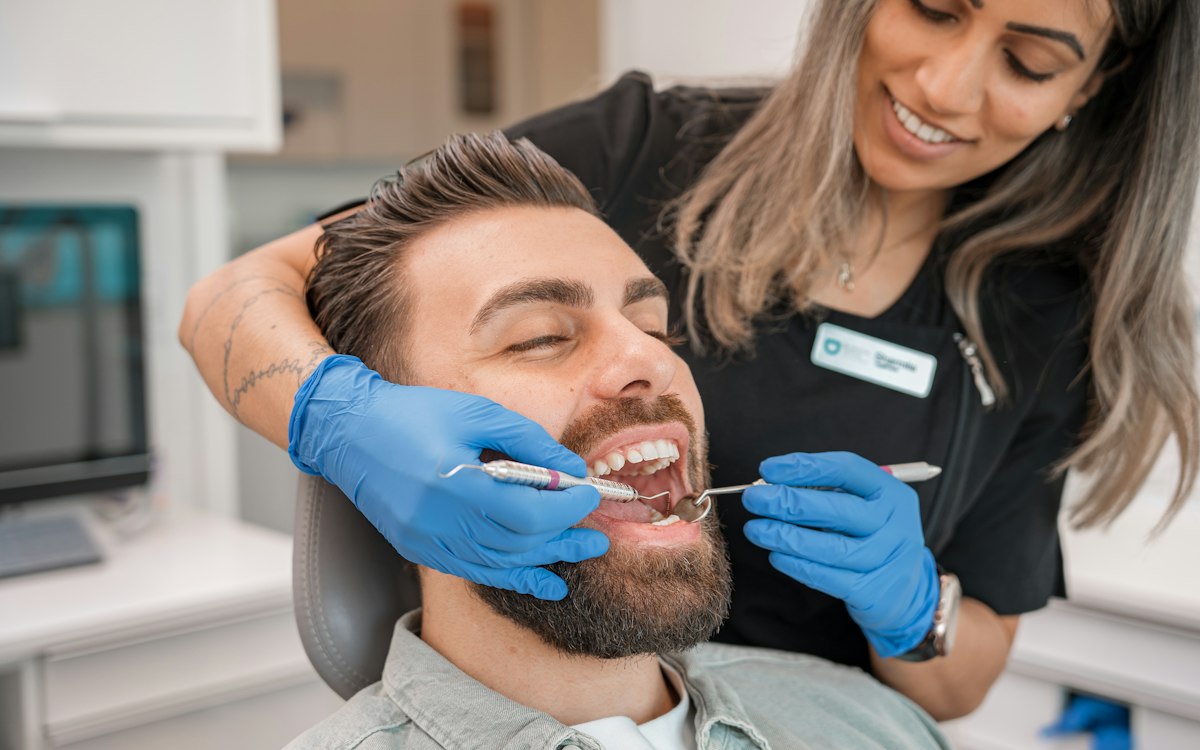
For acute pain, swelling or trauma we make room the same day or the next. You can message us on WhatsApp or Viber at +373 693 11 163 any time, even at night: we reply as fast as we can during opening hours (Mon–Fri 09:00–18:00, Sat 09:00–14:00). At the clinic we examine you and take an X-ray if needed, then relieve the pain in that same visit: we open the tooth to release the pressure on the nerve, drain an abscess, or treat the inflamed gum.
"The most expensive toothache is the one you postpone. A cavity treated today costs several times less than a root canal or an implant tomorrow."
Conclusion
At home you can make the pain bearable, but you cannot cure it. The right dose of painkiller, head raised, a cold compress — and an appointment as soon as possible. If swelling spreads, you have a fever or trouble swallowing, go to the emergency room immediately. For everything else, message us: the consultation at Avicenna is free.
Author