Almost every expecting mother who comes into my office asks the same question, a little nervously: "Is it really OK to treat my tooth now?" In most cases, yes — and it is actually recommended. An untreated infected tooth is a bigger risk for you and your baby than treatment done properly at the right time.
The myth: "no dental work during pregnancy"
The old saying "every child costs a tooth" comes from a time when women avoided the dentist for the whole pregnancy. The baby does not "take" calcium from the mother's teeth — teeth decay because of hormonal changes, nausea and postponed check-ups. International medical associations recommend that dental care continue as normal during pregnancy.
What happens in your mouth during pregnancy
- Pregnancy gingivitis — hormones make the gums react more strongly to plaque, so they swell and bleed easily when brushing. We see it in most pregnant patients.
- More acid in the mouth — nausea, vomiting and frequent snacks leave enamel more exposed to cavities and erosion.
- Sometimes a small growth appears on the gum (pregnancy epulis), usually benign and often gone after delivery.
Studies link untreated gum disease with a higher risk of pregnancy complications. That is why a professional cleaning and check-up are worth doing as early as possible.

The best time for treatment
- First trimester (weeks 1–13): check-ups, cleaning, advice. Non-urgent treatment is preferably scheduled a little later.
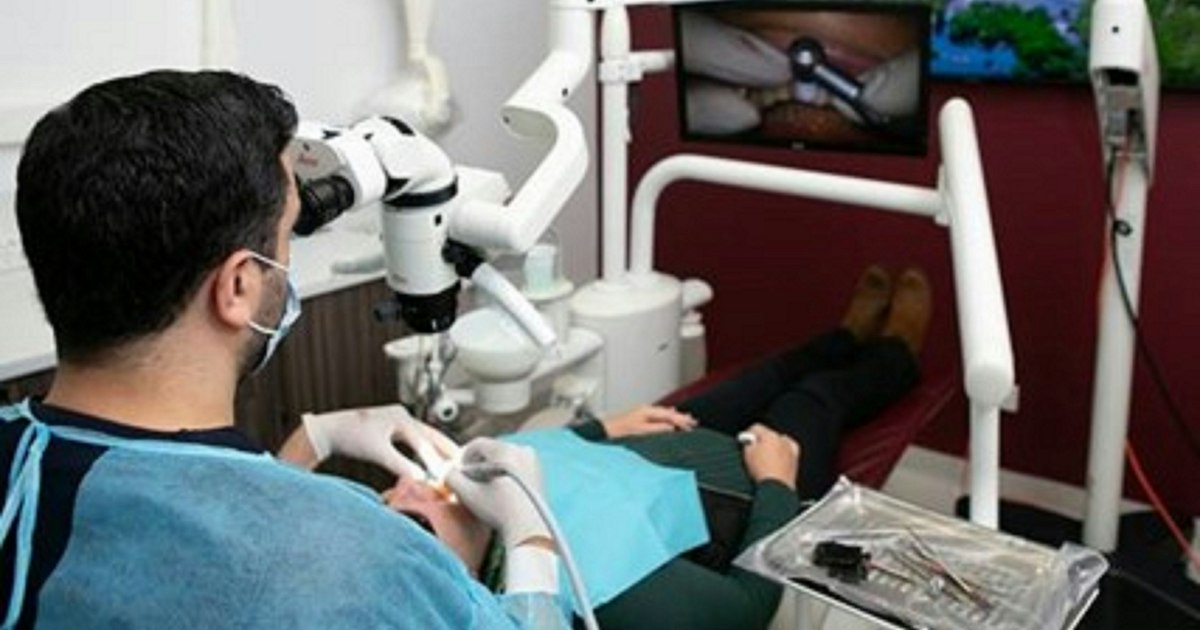
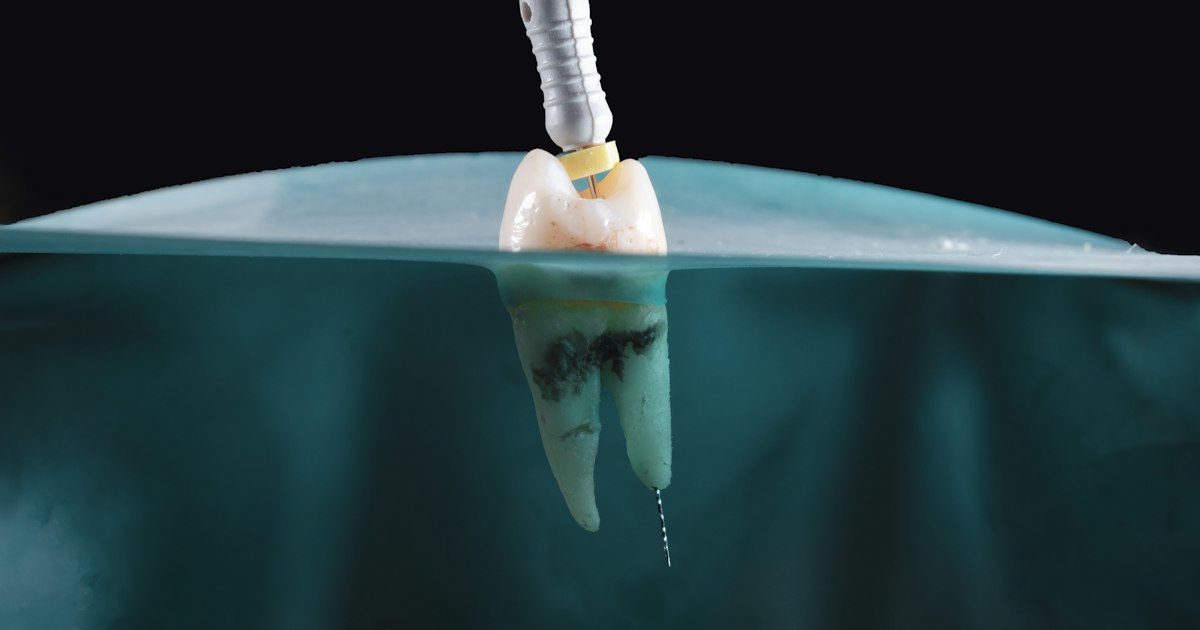
- Second trimester (weeks 14–27): the ideal time for treatment — cavities, root canals, replacing problematic old fillings.
- Third trimester (from week 28): we treat whatever is necessary, but visits are shorter and the chair is tilted slightly to your left side for comfort and safety.
Is local anesthesia safe?
Yes. The local anesthetics used in dentistry are considered safe during pregnancy at usual doses, and we choose them with your pregnancy in mind. In my view, treatment without anesthesia — with pain and stress — is far less suitable for a pregnant patient than one cartridge of anesthetic. Always tell us how many weeks along you are and what medication you take.
Dental X-rays during pregnancy
Routine X-rays are postponed. When one is needed for an urgent diagnosis (for example, a tooth that hurts badly), the dose of a dental X-ray is very low and the beam is aimed at the mouth, not the abdomen. We also use a protective apron. We decide together, and only if the X-ray changes the treatment.

What we do and what we postpone
- We do: check-ups, professional cleaning, cavity treatment, root canal treatment, extracting a tooth that is causing an infection.
- We postpone until after delivery: whitening, implants, extensive cosmetic work and anything that is not needed now.
- Medication: for pain, usually paracetamol at the dose your doctor recommends. Do not take anti-inflammatories or antibiotics without talking to your dentist and the doctor following your pregnancy.
Morning sickness and your teeth
- After vomiting, do not brush right away — acid has softened the enamel. Rinse with water (or water with a pinch of baking soda) and brush after about 30 minutes.
- If toothpaste makes you nauseous, try a small-headed brush and a milder-tasting paste that still contains fluoride.
- Frequent snacks, especially sweet ones, mean a constant acid attack — water between meals helps.
When to see a dentist right away
Pain that will not go away, swelling of the gum or cheek, fever, a taste of pus, or a tooth that feels "taller" (hurts when you bite) — these are all emergencies in any trimester. Call us at +373 693 11 163 and mention you are pregnant: we will fit you in as soon as possible.
Conclusion
Pregnancy is not a reason to postpone the dentist — it is a reason to go. Ideally: a check-up early in pregnancy, necessary treatment in the second trimester and a cleaning before delivery. The initial consultation at Avicenna is free, and we build the plan around how far along you are.
Author