As an oral surgeon, I hear the same question almost daily: "Do I need my wisdom tooth out? And how much does it hurt?" The short answer: not always — and when you do, with modern anaesthesia most patients tell me afterwards that they worried for nothing. Here is everything worth knowing before you decide.
When a wisdom tooth must be removed
Wisdom teeth (third molars) usually erupt between the ages of 17 and 25. The problem is that many jaws simply have no room left for them. Extraction becomes necessary in a few clear situations:
- The tooth is impacted or partially impacted — stuck in bone or gum and pushing against neighbouring teeth.
- It erupts crooked (horizontally or tilted) and presses on the second molar, risking damage to it.
- Repeated decay — wisdom teeth are hard to brush, and cavities there are difficult to treat.
- Pericoronitis — recurring inflammation of the gum partially covering the tooth, with pain and swelling.
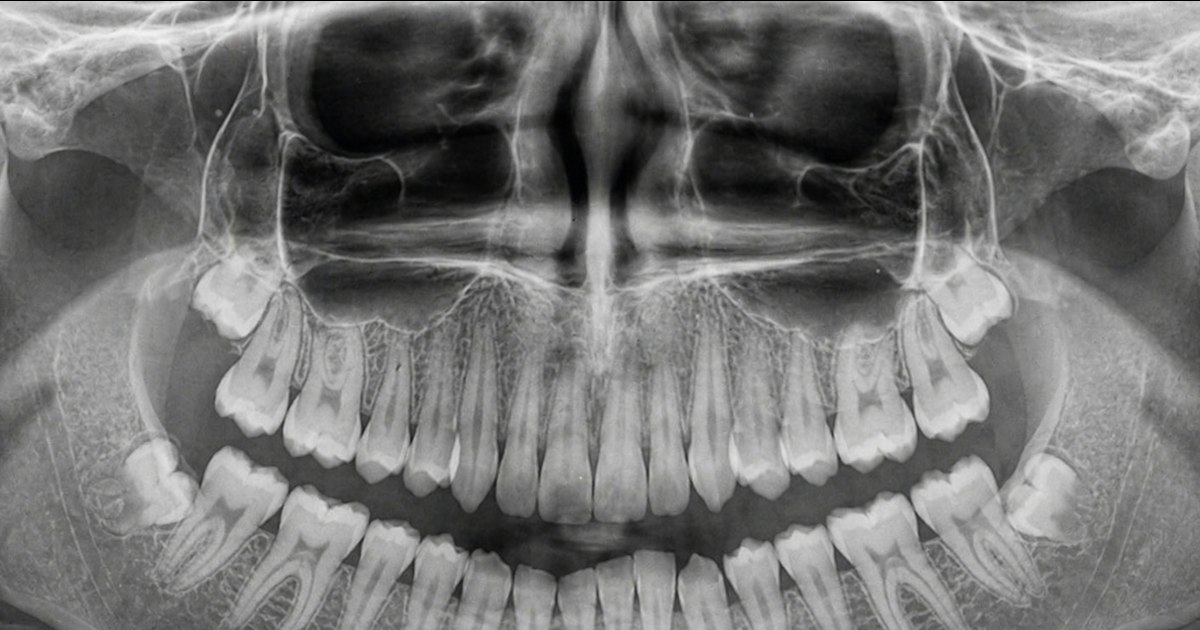
- Cysts or damage to surrounding bone, visible on an X-ray.
- Space needed before prosthetic treatment.
When it should NOT be removed
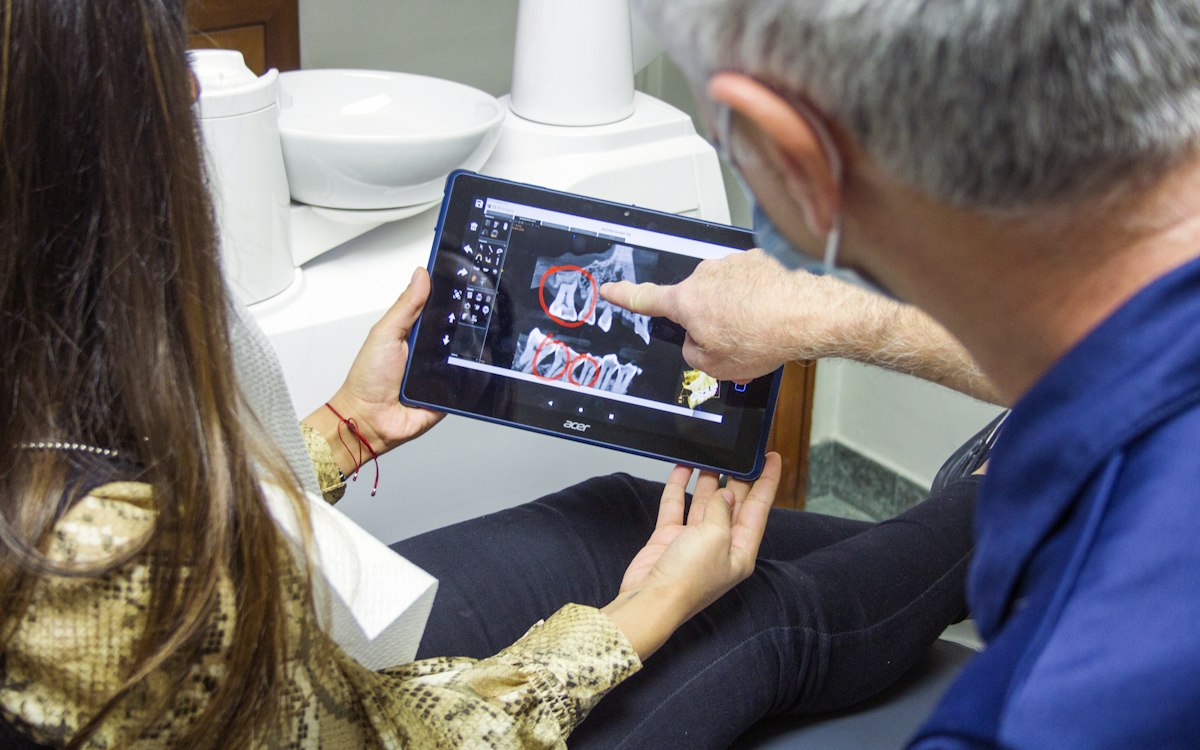
A fully erupted, straight, healthy wisdom tooth that you can clean normally can stay where it is for life. We do not remove teeth "preventively" without a medical reason: the decision is always made after a consultation and a panoramic X-ray. At your free consultation at Avicenna, I will show you on the X-ray exactly why I recommend — or do not recommend — extraction.
Does the extraction hurt?
Question number one. During the procedure — no: we work with modern local anaesthesia and the area is completely numb. You feel pressure and movement, but not pain. If any discomfort appears, I stop and top up the anaesthesia. The fear of "having a tooth pulled" usually comes from older generations' stories, not from the reality of a modern practice.
Once the anaesthesia wears off (2–4 hours), some discomfort for a few days is normal and manageable with ordinary painkillers. Most of my patients are back to their normal routine the next day — with a few precautions covered below.
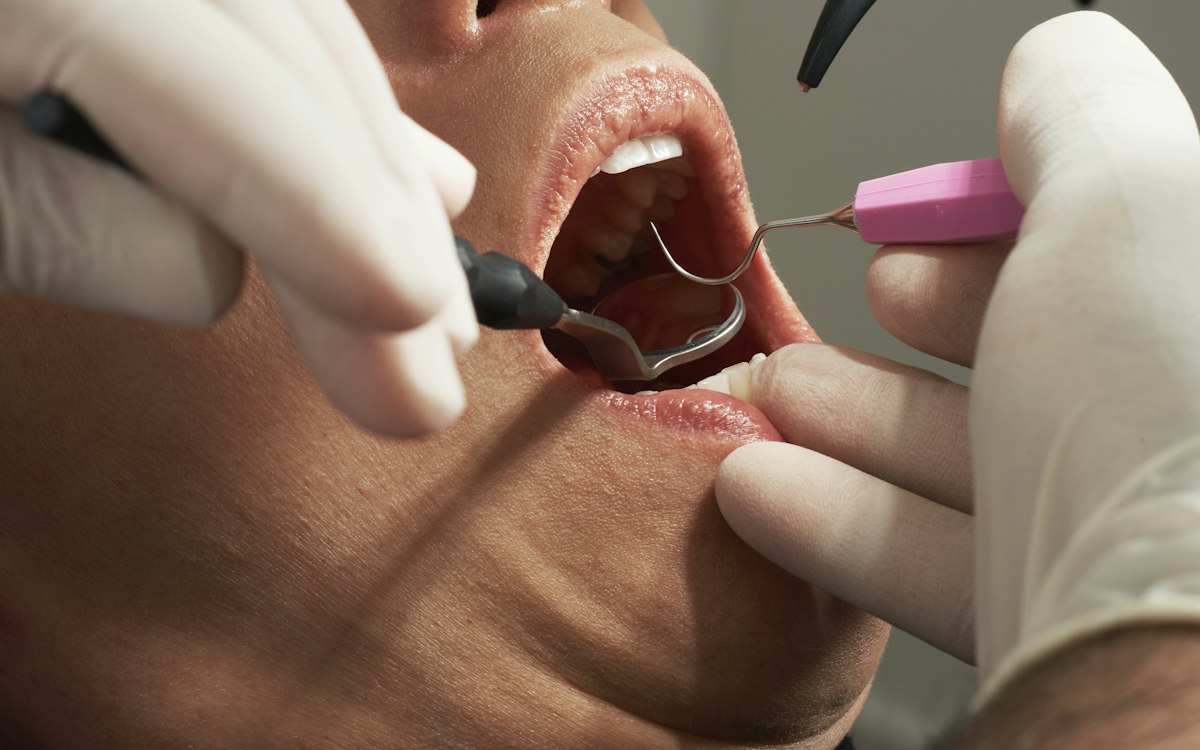
The procedure, step by step
- Consultation and panoramic X-ray — we assess root position and proximity to the alveolar nerve.
- Local anaesthesia — we wait for the full effect before any manoeuvre.
- The extraction itself — an erupted tooth often takes 10–20 minutes; an impacted one requires a surgical approach and takes longer.
- Sutures (if needed) and a sterile gauze pad.
- Clear aftercare instructions + a follow-up appointment.
"What I hear most often at the end: "Was that it?" The anticipation is almost always harder than the procedure itself."
What a wisdom tooth extraction costs
The price depends on the tooth's position and the complexity of the intervention. At Avicenna, prices are published transparently:
- Upper wisdom tooth: 900 MDL.
- Lower wisdom tooth: 1,400 MDL.
- Atypical (difficult) upper extraction: 1,800 MDL.
- Atypical (difficult) lower extraction: 2,300 MDL.
Recovery: the first 7 days
- First 2 hours: keep the sterile gauze in place and do not eat until the anaesthesia wears off.
- Day 1: no vigorous rinsing, no hot drinks, no smoking — the clot in the socket must be protected.
- Days 1–3: cold compresses on the cheek for 15 minutes at a time, soft lukewarm food, the recommended painkiller.
- Days 3–7: swelling gradually subsides; resume normal brushing, gently avoiding the area.
- Sutures (if any) are removed at the 7–10 day follow-up.
Signs you should call your dentist
Complications are rare, but worth recognising: pain that intensifies after day three instead of easing (possible dry socket), bleeding that does not stop under pressure, fever, swelling that grows after 48 hours, or persistent numbness. In any of these situations, call us at +373 693 11 163 — an extra check-up beats an untreated complication.
The bottom line
A wisdom tooth is removed only when there is a real medical reason — and when there is one, postponing brings more pain than the procedure itself. If a wisdom tooth is bothering you, or you simply want to know where you stand, book a free consultation at Avicenna: an X-ray, a clear answer, and an exact cost.
Author